Human Trafficking Infographics Bundle: A Designer’s Real-World Evaluation
As an embroidery designer with years of experience in creating custom products for clients and managing my own handmade shop, I’ve had the chance to work with a wide range of digital design assets. When I first saw the Human Trafficking Infographics Bundle, it caught my attention not just for its educational message but also for its structured layout and visual clarity—two essential qualities for any graphic template used in real-world embroidery projects.
First Impressions: Purposeful and Professional
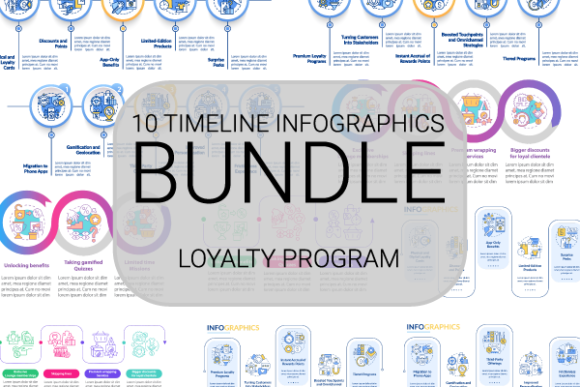
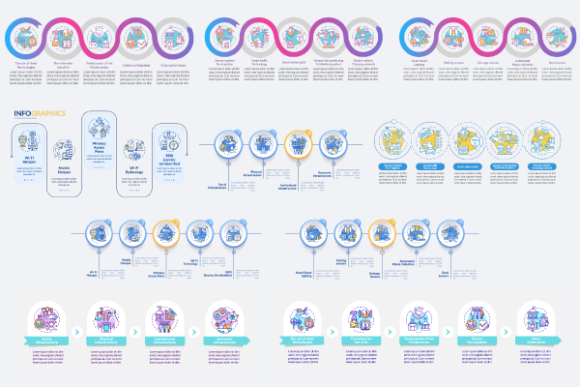
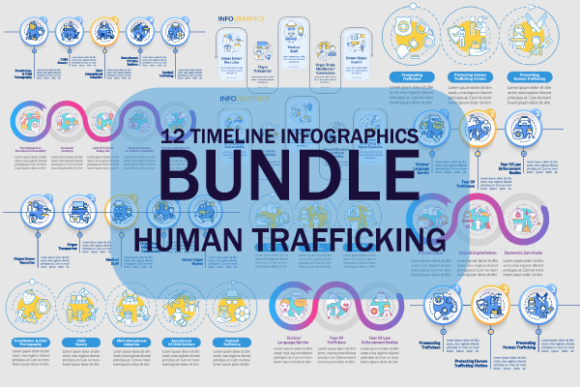
The Human Trafficking Infographics Bundle immediately gives off a serious, informative vibe. It's clear that this isn’t a lighthearted or playful design; rather, it’s meant to raise awareness about a critical social issue. The use of clean lines, organized sections, and bold symbols suggests it was crafted with both presentation and purpose in mind. For those who want to create meaningful handmade products or branded merchandise that speaks to important causes, this bundle offers a strong foundation.
Visually, the infographics are composed with vector elements, which means they scale well without losing detail. This is especially helpful when adapting them to different embroidery formats like sweatshirt embroidery or tote bag design. The overall theme feels modern yet respectful, making it suitable for both personal and commercial embroidery projects.
What Kind of Embroidery Project Fits Best?
I imagine this design working particularly well on custom apparel such as t-shirts, hoodies, or even aprons used in boutique branding or small shop product displays. The infographic format naturally fits into a larger presentation outline, so it could be used effectively in educational materials, posters, or printable mockups for digital product sellers.
For example, if I were preparing a custom embroidered sweatshirt for a local non-profit event focused on human rights, this design would serve as a powerful statement piece. Its structured nature allows for easy integration into other project elements like text, logos, or additional icons, making it a versatile component in a broader set of design assets.
Real-Life Performance in Embroidery Projects
Embroidering these anti-human trafficking elements requires some thought about how they’ll translate from screen to fabric. As a rule of thumb, I always recommend testing any new machine embroidery design on scrap fabric before committing to a finished product. With the Human Trafficking Infographics Bundle, I found the stitch paths to be clearly defined, which makes it easier to anticipate how the final embroidery will look once stitched.
- Satin Stitch Elements: The borders and outlines around key icons are smooth and precise. These are ideal for highlighting important areas in your design, especially if you're using multiple thread colors to emphasize different points.
- Fill Stitch Areas: The inner sections of the infographics use consistent fill patterns, which help maintain clarity while reducing stitch density. This is great for preventing puckering on thinner fabrics like cotton or linen.
- Running Stitch Details: Some of the timeline elements and smaller icons utilize running stitch, which works well for maintaining legibility without overwhelming the fabric. However, these details may require careful inspection post-stitching, especially if printed on dark fabric where contrast is lower.
If you're an Etsy seller or craft business owner looking to create a line of handmade products with a message, this design can add a layer of professionalism and intentionality to your offerings. It's also a solid choice for embroidered patches or nursery decor pieces that aim to educate or inspire thoughtful conversations.
Where to Use with Caution
While the Human Trafficking Infographics Bundle is visually strong, there are certain situations where it might not perform optimally:
- Small Hoop Sizes: The detailed layout doesn’t lend itself well to tiny hoop sizes. If you’re planning to embroider on a patch or cap, consider simplifying the design or focusing on one section at a time.
- Textured Fabrics: The intricate vector shapes may get lost or distorted on canvas, denim, or other thick textiles. Always adjust stitch density and stabilizer accordingly.
- Thin or Stretchy Fabrics: Because of the amount of coverage and structure in the design, thin or stretchy materials like rayon or spandex could show distortion unless properly stabilized.
- Dark Fabric Backgrounds: The design relies heavily on color contrast. On black or navy backgrounds, you may need to switch to lighter thread colors or simplify the design to ensure visibility.
- Frequent Washing: For items like tea towels or baby clothes, the high stitch count in some areas may wear faster over time. Consider reinforcing with extra stabilizer or using durable threads.
Design Impact and Customer Reception
Using this design in your handmade product lineup can significantly elevate the perceived value and intent behind your work. Customers today appreciate not only aesthetics but also the stories and messages behind what they purchase. An anti-human trafficking infographic stitched onto a tote bag or pillow cover adds depth and meaning, which can enhance buyer engagement and build customer trust.
In terms of giftability, this design has a natural place in holiday embroidery gifts or personalized products aimed at raising awareness. It’s subtle enough to not overwhelm a design but impactful enough to leave a lasting impression. For small businesses or creative entrepreneurs, integrating it into your brand’s visual identity can reinforce your values and attract like-minded buyers.
Designer Notes: Practical Tips for Real Use
Before stitching the Human Trafficking Infographics Bundle onto your next project, here are a few things I recommend doing:
- Test the design on scrap fabric to see how it looks after embroidery.
- Check thread color contrast against your intended background fabric.
- Review stitch density settings—especially in dense areas like timelines or data charts.
- Confirm the recommended hoop size to avoid stretching or misalignment.
- Inspect small details like icons and lettering to ensure they remain clear after stitching.
- Try a black and white mockup to evaluate how it reads in grayscale or on tonal fabrics.
- Use proper stabilizer to prevent puckering and support the design during sewing.
- Always verify whether the digital embroidery file is licensed for commercial use before selling finished items or digital products.
These steps can help ensure that the final product maintains both its visual appeal and message integrity across different applications, from sweatshirt embroidery to small shop product branding.
Final Thoughts on Human Trafficking Infographics Bundle
Overall, the Human Trafficking Infographics Bundle is a well-crafted graphic template that stands out for its clarity and thematic strength. As a professional embroidery designer, I appreciate the balance between information and visual interest it brings to a project. It’s not just another graphics download—it's a tool that can be used responsibly and creatively in various embroidery contexts.
Whether you're a hobbyist looking to make a meaningful personalized gift or a commercial embroiderer aiming to expand your design assets with something socially conscious, this bundle offers a lot of potential. Just remember to tailor the design to the specific needs of your project and fabric type. That way, you’ll preserve its impact and deliver a finished product that resonates with both style and substance.