Infographics Steps Vector Design: A Powerful Graphic for Local Business Branding
As a brand designer with years of experience working with local businesses, I'm always on the lookout for graphic design assets that can elevate a brand's visual identity without overwhelming it. Recently, I came across Infographics Steps Vector Design, and after a thorough review, I’m excited to share my insights into how this versatile design can be used effectively in real-world branding projects.
A First Impression That Sparks Creativity
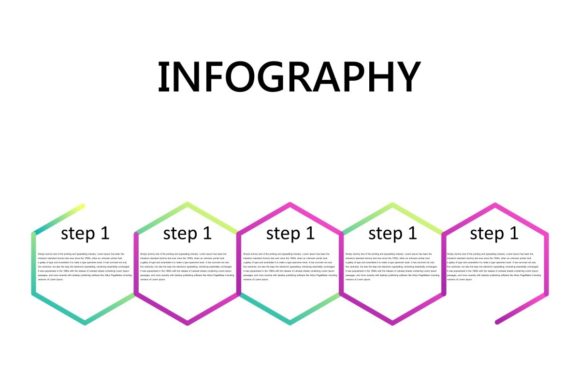
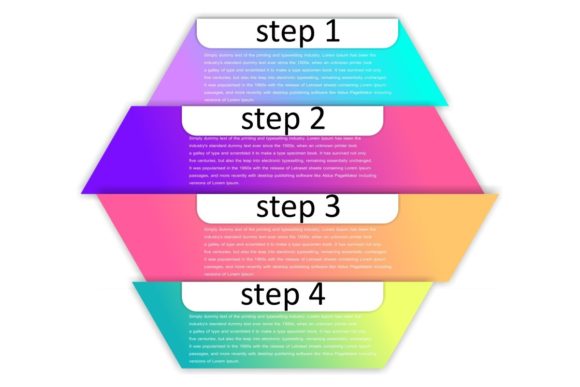
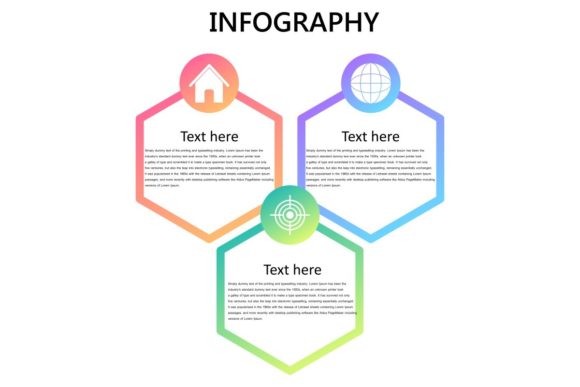
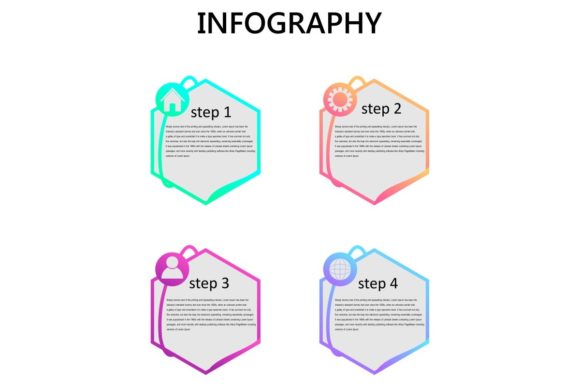
The first thing that struck me about Infographics Steps Vector Design is its clean, structured layout paired with subtle visual flair. It doesn’t scream loud or try too hard — instead, it conveys a sense of organization and clarity. The step-by-step format suggests a journey or progression, which could work well for brands that want to tell a story, showcase their process, or highlight product benefits in a digestible way.
Visually, the design leans towards a modern and friendly aesthetic. It has an approachable feel, making it ideal for small businesses like bakeries, coffee shops, skincare brands, or boutique stores that aim to connect with customers on a personal level. While it’s not overtly rustic or handmade, it does have a polished charm that aligns well with lifestyle and service-based brands.
Real-World Applications for Small Businesses
Let’s dive into some practical ways I see this design asset being used across different branding touchpoints:
- Product Labels: For handmade soap or candle brands, using the infographic steps as part of the label can help explain the production process or ingredient sourcing in a visually engaging way.
- Packaging Accents: Adding the vector graphics as decorative elements on packaging can guide customers through a product’s key features or usage instructions.
- Social Media Campaigns: When creating content for platforms like Instagram or Facebook, the step-style infographic can break down a recipe, tutorial, or customer journey in a scroll-friendly format.
- Menu Graphics: A coffee shop or food business might use this design to present their menu in a more dynamic and educational style, such as showing the steps behind a signature dish or drink.
- Website Banners: The vector nature of the design allows it to scale perfectly for digital use. As a hero graphic, it can introduce a new seasonal campaign or highlight a product line’s unique qualities.
- Print Inserts: Whether it’s a thank-you card or a printable insert in a product box, this graphic adds value by clearly communicating brand values or product details.
- Promotional Flyers & Posters: The visual hierarchy offered by the steps makes it perfect for flyers that need to deliver multiple messages at once, such as a sale timeline or event schedule.
Design Strengths That Enhance Brand Presentation
What sets Infographics Steps Vector Design apart from other graphics is how it supports several key aspects of professional branding:
- Better Visual Hierarchy: Each step in the infographic naturally draws attention to the next piece of information, helping your audience follow along effortlessly.
- Stronger First Impressions: Incorporating this design into your product packaging or promotional material gives a fresh, informative look that immediately stands out from generic templates.
- Improved Brand Consistency: Since you get fully editable vector files (compatible with Adobe Illustrator, Corel Draw, etc.), it’s easy to adapt the design to match your brand colors, fonts, and style guidelines.
- Enhanced Shelf Appeal: In competitive retail environments, having a clear and attractive visual system like this can help your products catch the eye and communicate value quickly.
- Customer Trust Through Transparency: If your brand emphasizes craftsmanship or ethical sourcing, these steps can illustrate your process in a way that builds trust and authenticity.
Where This Asset Shines Brightest
Infographics Steps Vector Design works especially well in the following areas:
- Hero Graphics on Product Boxes: Use the steps to highlight key selling points like "Handmade in Small Batches" or "All-Natural Ingredients."
- Editorial Design for Brand Storytelling: Create blog posts or lookbooks that feature the design to walk readers through your brand’s journey or philosophy.
- Seasonal Packaging Campaigns: Adapt the steps to show the stages of a holiday preparation, such as “From Harvest to Holiday Table” for a local bakery or food brand.
- Printable Designs for Thank-You Cards: Add a personal touch by using the infographic to outline your appreciation for customers or describe your commitment to quality.
- Digital Marketing Materials: Use it in email campaigns or Canva templates to simplify complex ideas and make them more scannable for online audiences.
Use With Care in Certain Contexts
While Infographics Steps Vector Design is incredibly flexible, there are situations where it may not be the best fit:
- Formal Corporate Brands: Its casual, step-by-step structure might clash with the sleek, minimalist aesthetics often preferred in corporate settings.
- Very Small Labels: The design requires enough space to maintain readability and visual impact. On tiny stickers or labels, it can become cluttered or lose its purpose.
- Crowded Packaging Layouts: If your packaging already has a lot going on, adding another layered graphic could reduce clarity rather than enhance it.
- Ingredient Lists or Legal Information: These sections should remain simple and unembellished. Let the infographic shine in more creative zones instead.
- Low-Contrast Backgrounds: Make sure the colors of your design contrast well with your chosen background. Otherwise, the steps may blend in and fail to communicate effectively.
Practical Designer Tips for Implementation
Before integrating Infographics Steps Vector Design into your branding project, here are a few things I recommend testing and reviewing:
- Test on Real Packaging Mockups: See how it looks on actual product boxes, bags, or labels before finalizing your design.
- Check Black and White Usage: Even if your brand uses color, many print applications require grayscale. Ensure the steps remain clear and legible in monochrome.
- Preview on Small Labels: Resize the design and test it on small surfaces to confirm it still reads well and retains its purpose.
- Match With Your Brand Colors: Import the SVG into your design software and replace colors with your brand palette to ensure harmony and cohesion.
- Compare With Competitor Packaging: How does this graphic help your brand stand out? Is it too similar to what others are doing?
- Inspect Print Quality: Always check how the design looks when printed at scale. Vector files should handle resizing without loss of detail, but double-check your printer’s specs.
- Review PNG Transparency: If you’re planning to overlay the design on photos or textured backgrounds, verify that the transparency is handled correctly in the provided PNGs.
- Test Font Pairings: Try placing it beside serif, sans-serif, script, and display fonts to see which combinations feel most natural and balanced.
- Confirm Commercial License: Since you're using this for business branding or product sales, always ensure the license permits commercial use. Some creative marketplaces offer both free and paid licenses, so read carefully.
Why I Recommend This Design for Boutique and Handmade Businesses
For boutique owners and handmade sellers, every visual element must reflect care, intention, and personality. Infographics Steps Vector Design offers a structured yet artistic approach to storytelling that fits right into the ethos of artisanal brands. Imagine using it to show the steps in crafting a custom candle, from soy bean selection to fragrance blending. It turns a simple label into a narrative device — something that invites curiosity and connection.
Additionally, because it’s a scalable vector file, you can use it across all formats — from large posters to tiny hang tags — without worrying about resolution issues. That kind of flexibility is rare in many design assets found on creative marketplaces.
Final Thoughts From a Brand Designer’s Perspective
In summary, Infographics Steps Vector Design is a valuable addition to any small business owner’s toolkit. It brings order and creativity to your marketing visuals and product presentation, making it easier to tell your brand story in a compelling and organized way. Whether you're designing a new logo suite, updating your packaging, or prepping social media content, this graphic design asset can serve as a strong foundation for building stronger emotional connections with your audience.
Just remember to tailor it to your specific brand needs. Not every design will work for every business, and that’s okay. The beauty of a vector-based graphic is that it gives you the freedom to adjust, re-color, and reshape it until it feels just right. So go ahead, experiment, and let this infographic help you craft more memorable and professional branding for your local business.