Vertical Rectangle Infographics: A Designer’s Perspective
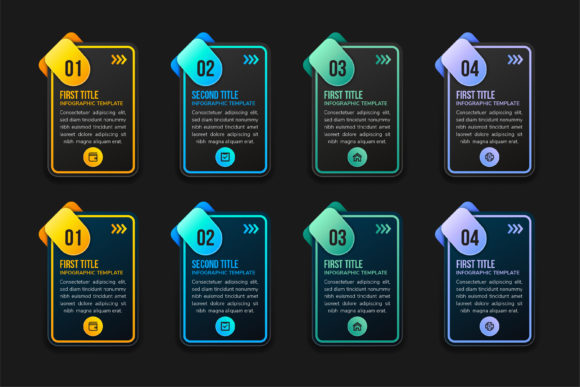
As an experienced embroidery designer and product reviewer, I’ve worked with countless digital embroidery files, from simple monograms to complex illustrations. When I first saw the Vertical Rectangle Infographics, I was intrigued by its clean structure and modern appeal. This design is a four-step black rectangle banner that feels like a visual guide or infographic layout — perfect for showcasing processes, timelines, or sequential information. But before integrating it into my projects, I always take time to evaluate how it will translate into real-world stitching.
A First Look at Vertical Rectangle Infographics
The Vertical Rectangle Infographics immediately gives off a professional and structured vibe. Its rectangular format suggests a linear flow, which makes it ideal for explaining workflows, steps in a process, or even as part of branding for a small shop or boutique. The design uses bold lines and minimal color (mostly black), creating a sharp contrast that stands out on many fabric types. It's not overly decorative, but it has enough character to feel intentional and modern.
What I appreciate about this design is its versatility. It doesn’t scream for attention, but it commands it through clarity. The shape and layout suggest it could be used for both functional and decorative purposes. For instance, if you're making a custom sweatshirt for a client who wants to showcase their company's workflow, this design could fit seamlessly without overpowering the rest of the artwork.
Real-World Application: A Custom Tote Bag Project
Let me walk you through a real case where I might use Vertical Rectangle Infographics. Imagine a local bakery wants to create branded tote bags for their customers. They’re looking for something that reflects their business philosophy — simplicity, quality, and process-driven values. The infographics layout would work beautifully here. Each step could represent part of their baking journey, from sourcing ingredients to delivering fresh bread.
I’d place the design vertically down the center of the tote bag using a combination of satin stitch for the rectangles and running stitch for the outlines. Since the design is mostly black, it would pop against light-colored cotton canvas, commonly used for totes. However, I’d also consider testing it on darker shades to see if the contrast still holds up after washing.
One thing I always do when evaluating such designs is imagine the final finished product being held in someone’s hand. Will it look neat? Will the details remain clear after repeated use? In this case, the design passes the test — especially if stitched with care and placed appropriately on the garment.
Where This Design Shines in Embroidery Projects
- Custom Apparel: Sweatshirts, t-shirts, and hoodies benefit from the clean lines and minimalism of the design. It works well as a background element or standalone feature.
- Baby Clothes & Nursery Decor: Though it's not overtly playful, the design can add a touch of sophistication to baby onesies or wall art when paired with soft pastel thread colors.
- Embroidered Patches: The vertical format makes it a natural fit for patches. Whether sewn onto a backpack, denim jacket, or cap, the design maintains its integrity and readability.
- Tote Bag Designs: Especially useful for shops or boutiques that want to tell a story visually. The design fits well within standard hoop sizes and looks great when scaled up slightly.
- Commercial Embroidery: Businesses aiming for a minimalist yet informative aesthetic will find value in using this file for signage, aprons, or staff uniforms.
- Digital Product Previews: As an embroidery file, it can also serve as a mockup asset for Etsy sellers or digital product creators who need to show how the design will appear on various items.
When to Approach with Caution
While Vertical Rectangle Infographics is adaptable, there are some situations where it may not perform optimally. Here are a few things to keep in mind before stitching:
- Small Hoop Sizes: If you plan to embroider this design on a tiny patch or cap, you may need to scale it down carefully. Some corners or lines might lose definition.
- Textured or Stretchy Fabrics: The design relies on crisp lines. On stretchy materials like knits or felt, the stitch lines may distort unless properly stabilized.
- Thin or Delicate Fabrics: Because of the detail involved, especially in the corners, thin fabrics like silk or fine cotton may not hold up well under dense fill stitches.
- Dark Fabric Backgrounds: The black tones may fade into dark-colored bases. Consider using white or light-colored thread instead for better visibility.
- Products That Require Frequent Washing: The design's complexity means it needs good stabilizer and quality thread to maintain its appearance over time. Always recommend a pre-wash test to your clients.
Visual Appeal and Customer Perception
From a customer perspective, the infographics style adds a layer of professionalism to any handmade product. It suggests organization, thoughtfulness, and a modern edge — all qualities that resonate well with today’s craft-savvy shoppers. Used on a personalized gift or boutique item, it elevates the perceived value and shows that the creator understands design beyond just aesthetics.
In terms of stitching clarity, the design handles scaling reasonably well. However, the smaller elements near the corners require attention. If these areas are too tight or densely stitched, they may become hard to read or even tear during handling. For commercial use, ensuring legibility is key to maintaining brand consistency and customer trust.
Handmade Presentation and Brand Recognition
For hobbyists and Etsy sellers, the vertical rectangle layout offers a unique way to present step-by-step guides or project instructions directly on apparel or accessories. Think of it as a subtle form of storytelling — each section tells a piece of the brand narrative.
It’s also a strong candidate for printable mockups and design assets because of its uniformity and lack of excessive color. You can easily convert it into a template or placeholder for future projects, making it a valuable addition to your creative toolkit.
Practical Tips for Using Vertical Rectangle Infographics
Here are a few tips I follow when working with this type of machine embroidery design:
- Test on Scrap Fabric First: Always try the design on a sample of your intended fabric. This helps you assess how the thread colors interact and whether the stitch density causes puckering.
- Check Thread Color Contrast: Since the design is primarily black, consider how it will look on different fabric colors. Light backgrounds enhance the effect, while dark ones may require alternative thread choices.
- Review Stitch Density: Dense stitch areas, especially in the corners, can cause stiffness or fabric distortion. Adjust the stitch spacing if necessary.
- Confirm Hoop Size: Make sure the design fits comfortably within your hoop. If it’s close, you may need to split the design or adjust placement for optimal results.
- Inspect Small Details: The subtlety of the design is one of its strengths, but it also means those fine lines and corners must be examined closely to ensure they translate well into embroidery.
- Use Proper Stabilizer: Especially important for lightweight or stretchy materials. A tear-away or cut-away stabilizer can help prevent misalignment and fabric shifting.
- Test in Black and White Mockups: Before committing to color, simulate the design in grayscale to check for visual balance and clarity.
- Compare Light and Dark Backgrounds: The contrast between the design and the fabric is crucial. Do a quick mockup comparison to see which setting enhances the message best.
- Verify Licensing for Commercial Use: If you're planning to sell products with this design, make sure to review the licensing terms provided by the seller. Some digital embroidery files come with restrictions, so don't assume it’s okay for resale unless explicitly stated.
Final Thoughts on Real Project Readiness
The Vertical Rectangle Infographics isn’t just another vector illustration; it’s a thoughtful, versatile machine embroidery design that brings a sense of order and elegance to any project. Whether you're an apparel decorator looking to create custom sweatshirts for a client or a handmade shop owner wanting to elevate your tote bag line, this design offers a modern touch that aligns with today’s clean and purposeful design trends.
But remember — no matter how appealing the graphics look on screen, the real test is how they behave when stitched. Take the time to evaluate the design on actual materials, adjust settings based on your machine and fabric, and always prioritize clarity and durability. Done right, Vertical Rectangle Infographics can become a signature element in your portfolio, helping you stand out in a crowded market of embroidery projects and personalized gifts.
So go ahead — give it a try. Just don’t skip the test run. Your customers (and your machine) will thank you later.