Infographics Design for Local Business Branding and Packaging
As a brand designer who regularly works with small businesses—from boutique stores to artisanal food labels—I always look for design assets that can seamlessly integrate into multiple branding touchpoints. Recently, I came across Infographics Design, and I was immediately drawn to its potential for enhancing visual storytelling in local business branding. The first thing that stood out was the clarity and versatility of the design. It’s not just an attractive graphic; it’s a tool that communicates complex information in a digestible, engaging way.
A Versatile Visual Language for Small Business Branding
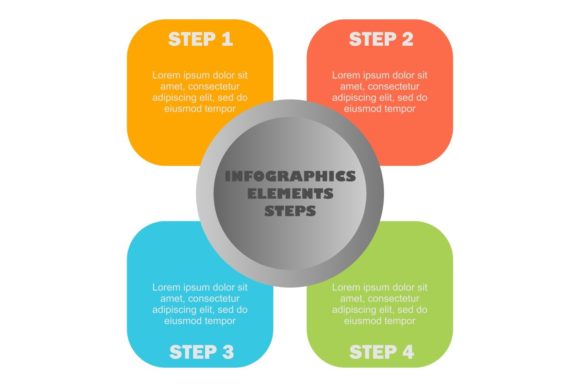
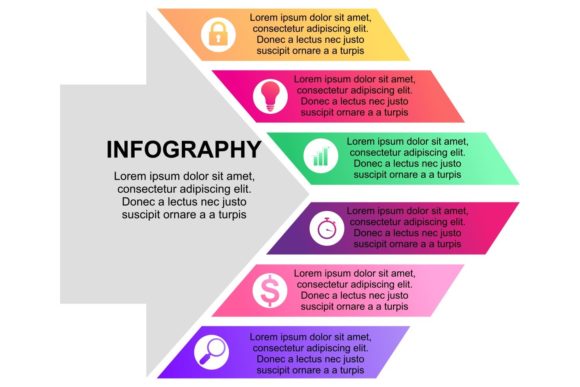
The mood created by Infographics Design is clean, modern, and approachable—perfect for small businesses aiming to build a strong, trustworthy identity without appearing overly corporate. Its style suggests a blend of professionalism and creativity, which aligns well with brands like a local skincare company or a handmade soap business. The design feels both informative and decorative, making it ideal for businesses looking to add personality to their product packaging and promotional materials while maintaining a polished aesthetic.
I found the visuals to be particularly suitable for product labels, where simplicity meets function. Whether you're designing a label for a seasonal candle line or a new line of organic lotions, Infographics Design offers a way to highlight key selling points visually. For instance, if your brand emphasizes natural ingredients, the infographic layout allows you to present those details in a structured yet artistic manner.
Real-World Applications in Brand Identity and Product Packaging
Infographics Design isn’t just for digital use—it shines equally on physical products and printed materials. Here are several practical ways I’ve considered using this asset in real projects:
- Product Labels: Use it to break down benefits, ingredients, or usage instructions in a visually appealing format.
- Packaging Accents: Add subtle infographic elements to boxes or bags to reinforce brand messaging.
- Hang Tags and Thank-You Cards: These small but meaningful items become more memorable with infographic touches.
- Social Media Graphics: Turn infographics into shareable content that explains your product story or values.
- Website Banners: Create engaging banners for promotions or collections using infographic layouts.
- Printable Inserts: Include them as educational inserts inside product boxes or gift wrap.
- Seasonal Campaigns: Adapt the design to reflect holiday themes or limited-time offers with ease.
This kind of graphic design asset is especially valuable when building a cohesive brand identity from scratch. As a designer, I know how important it is to maintain consistency across all platforms, and Infographics Design supports that by offering editable vector files. You can tweak colors, scale up for large posters, or resize for small tags without compromising quality.
Creating Stronger First Impressions and Better Shelf Appeal
One of the biggest advantages of using Infographics Design in packaging is the ability to create a stronger first impression. In a local market or at a pop-up event, customers often scan for clarity and visual interest. A well-designed infographic can serve as the hero graphic on your packaging, instantly drawing attention and conveying what makes your product unique.
For example, imagine a florist launching a new line of seasonal bouquets. By incorporating infographic elements that highlight the flower varieties, care tips, and blooming timelines, the brand becomes more relatable and professional. This is exactly the kind of value that small business branding needs to stand out.
Supporting Clear Visual Hierarchy and Professional Branding
Good infographic design doesn’t just look nice—it tells a story. That’s why I believe it plays a crucial role in visual hierarchy. When used in menu graphics for a coffee shop or in price lists for a home decor store, it helps prioritize information and guide the customer's eye naturally through the content.
With SVG design files included, it’s easy to adjust the layers and components of each graphic. This flexibility is essential when integrating the design into existing brand color schemes or customizing it for different product lines. I tested the vectors in Adobe Illustrator and found them highly editable, allowing me to match the palette of a children’s product brand perfectly.
Where Infographics Design Fits Best
If you're looking to make a visual impact, here are some of the best places to apply Infographics Design:
- Hero Graphics: Use it as the focal point on your website homepage or social media posts.
- Promotional Banners: Highlight key features or testimonials with infographic-based layouts.
- Boutique Visuals: Infographics work well in editorial-style displays or window signage for shops.
- Seasonal Packaging: Adapt the design for holiday campaigns or special edition items.
- Editorial Design: Incorporate it into newsletters, blogs, or in-store informational materials.
What I appreciate most is how it adds a layer of polish to marketing visuals. Whether it's for a flyer promoting a sale or a poster for a local fair, the right infographic can transform a basic layout into something memorable.
Cautious Usage: Where Less Is More
While Infographics Design is incredibly useful, there are situations where it should be applied carefully. For one, if your brand leans toward luxury minimalism, too much visual activity might dilute your message. Similarly, when working with formal corporate branding or legal documentation, it’s better to stick with simpler formats.
Also, keep in mind that crowded product packaging may not benefit from additional infographic elements. If your label already includes a lot of text or intricate illustrations, adding another graphic could overwhelm the design. Always test how it looks beside other brand elements, such as serif fonts or script fonts, to ensure harmony in your brand identity.
Another note: avoid placing it on very small labels where legibility is critical. Even though the files are scalable, the complexity of the design may not translate well when shrunk down for stickers or business cards.
Designer Tips for Implementing Infographics Design
Here are a few steps I recommend taking before finalizing Infographics Design for your project:
- Test it on real packaging mockups: See how it interacts with textures, sizes, and shapes.
- Check black and white usage: Ensure it still conveys the same message when printed in grayscale.
- Preview on small labels: Make sure the details remain clear and readable at smaller scales.
- Test with brand colors: Replace default hues with your brand’s palette to check contrast and cohesion.
- Compare with competitor packaging: Evaluate how it enhances your brand’s visibility in a competitive space.
- Review PNG transparency: If using transparent backgrounds, confirm the file maintains clarity.
- Inspect SVG or vector editability: Verify that the layers and paths are easily customizable for print or web.
- Confirm commercial licensing: Before using it for commercial design, always check the license to ensure it supports client work, product sales, or branded content.
Boosting Customer Trust and Emotional Connection
When a customer sees a product with a well-thought-out infographic, it signals that the brand is organized, informed, and invested in delivering value. This builds customer trust—especially for handmade or eco-friendly businesses where transparency is key. An infographic can clearly show sourcing methods, production steps, or sustainability efforts, creating a stronger emotional connection with your audience.
I recently worked with a local bakery and used Infographics Design to explain the baking process behind their signature sourdough. The result? Customers felt more connected to the craft, leading to increased word-of-mouth and repeat visits.
Why Choose Infographics Design for Your Brand?
In today’s competitive market, professional branding is no longer optional—it’s essential. Infographics Design gives you a powerful tool to elevate your brand’s communication across both digital and physical platforms. From packaging design to social media campaign graphics, it helps tell your brand’s story in a visually compelling way.
What sets this asset apart is its adaptability. Unlike generic clipart or stock illustrations, Infographics Design has a purpose beyond decoration. It’s a functional part of your brand identity, helping you present information clearly while reinforcing your brand’s visual language.
Final Thoughts on Infographics for Real Business Projects
After thoroughly evaluating Infographics Design, I’m confident it can enhance any local business project—especially when used thoughtfully. It’s not just about aesthetics; it’s about creating a clearer visual hierarchy, supporting better product recognition, and ultimately improving the overall customer experience.
Whether you’re designing for a food label, a product mockup, or a Canva template for your next promotion, consider how this graphic design asset can bring your message to life. Just remember to balance it with your brand tone and ensure it complements rather than competes with other design elements.
As always, test it out in context. Print it on sample packaging, overlay it on your website banner, and see how it fits within your broader branding strategy. Done right, Infographics Design can be the missing piece that ties your brand together and elevates your marketing visuals to the next level.