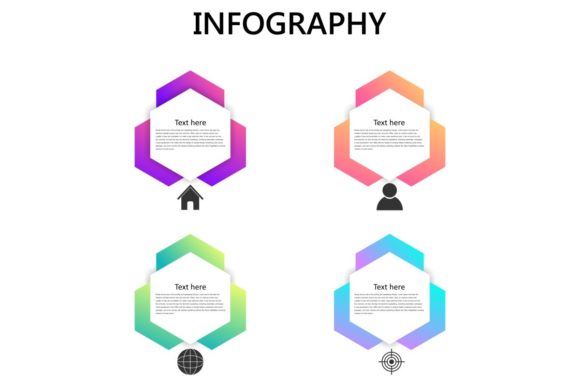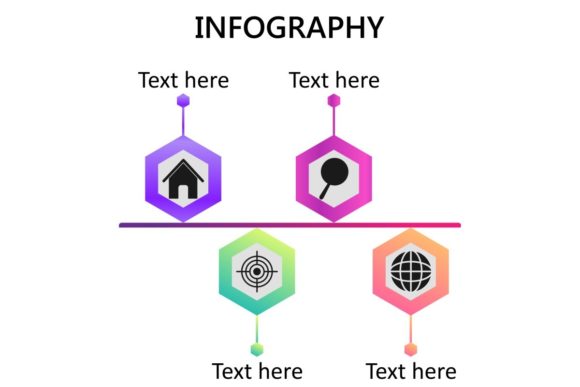
Vector Infographics Steps Design for Graphics and Commercial Use
As a digital product creator with years of experience in selling on Etsy, Shopify, and other marketplaces, I always approach new graphic design assets with a critical eye. The goal is to find something that’s not only visually appealing but also versatile enough to work across multiple platforms and product types without losing quality or clarity. Recently, I had the chance to review Vector Infographics Steps Design, and here's my honest take after testing it in various real-world scenarios.
First Impressions and Niche Appeal
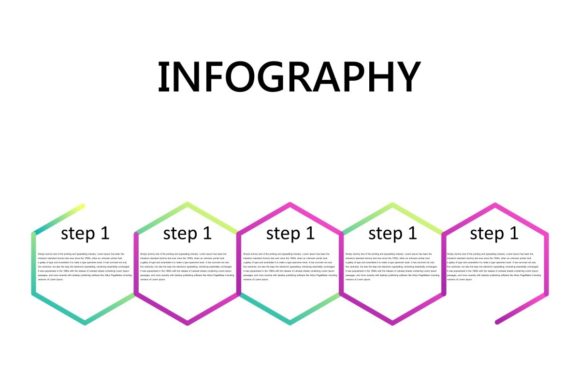
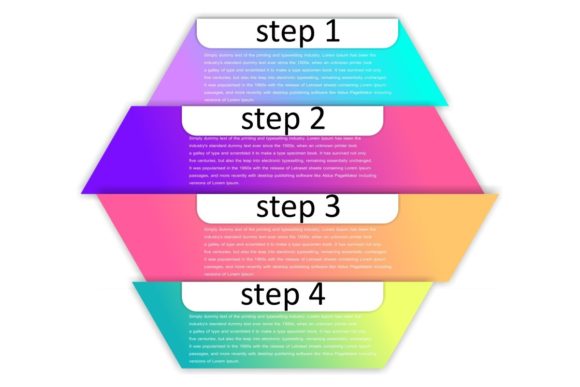
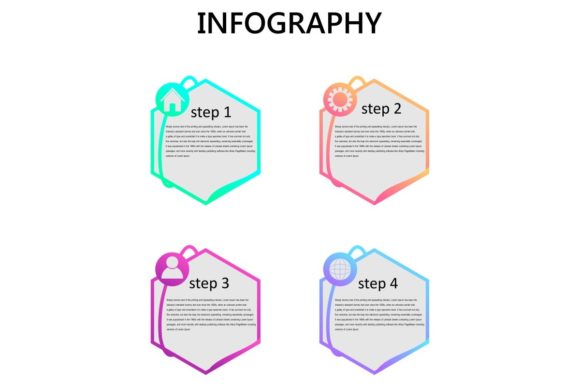
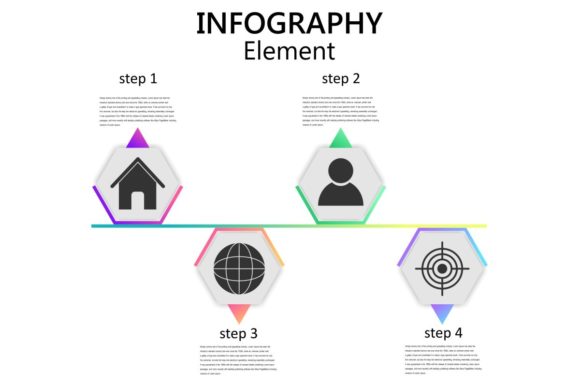
The first thing I noticed about Vector Infographics Steps Design was its clean, structured layout. It has a modern and professional feel that screams “informational” yet remains engaging. This kind of visual language appeals to audiences who value clarity—think educators, bloggers, wellness coaches, or small business owners creating content around processes, goals, or steps to success. It doesn’t have a whimsical or overly decorative vibe, which makes it ideal for niches focused on productivity, health, lifestyle, and self-improvement.
What stood out was how well this asset balances simplicity with functionality. The use of clear shapes and step-by-step progression gives it an intuitive feel. If you're targeting customers who need visuals that explain concepts quickly, this one could be a good fit. It feels more like a commercial design than a handmade illustration, so it might not appeal to those going for a rustic or vintage aesthetic—but if your brand is leaning into sleek, minimalist, or data-driven themes, this could be just what you need.
Real-World Product Applications
I tested Vector Infographics Steps Design across several sellable formats and found it worked surprisingly well in many contexts:
- Etsy SVG Products: The vector format allowed me to scale it up for large prints and down for small stickers without any loss in quality. Perfect for Cricut projects or Silhouette cutting machines.
- Print-on-Demand Merchandise: When applied as a t-shirt graphic, mug design, or tote bag print, the infographics retained their crispness and readability—even when printed in color.
- Planner Stickers & Greeting Cards: The modular nature of the steps made it easy to break into smaller components for planner stickers or layered card designs.
- Canva Templates: I embedded it into a Canva-based social media post template and found it enhanced the visual hierarchy, especially for blog graphics or promotional visuals.
- Sublimation Projects: As a sublimation design, it looked great on tumblers and mugs. The flat colors and sharp lines translated well onto ceramic surfaces.
- Wall Art and Nursery Prints: Resizing it to fit different poster sizes was seamless. The infographic style added a smart, educational touch to printable wall art, particularly for home offices or kids’ rooms.
- Seasonal Bundles: I paired it with a few related illustrations to create a holiday-themed design bundle. The consistent style and structure helped maintain a cohesive look.
Product Presentation Tips
One of the biggest hurdles for digital sellers is ensuring their design looks good in all stages of presentation—from thumbnails to full-size previews. Here’s how I approached using Vector Infographics Steps Design effectively:
- Mockup Previews: I used high-quality mockups to see how it would look on physical products. The result was impressive; the design didn’t get lost in shadows or textures.
- Thumbnail Appeal: I resized it to marketplace thumbnail dimensions (like Etsy or Creative Fabrica) to check visibility. While it holds up decently at small sizes, some details were less clear, so simplifying the composition slightly improved click-through potential.
- Listing Images: Pairing it with a bold sans-serif font and contrasting background gave the listing images a polished, professional edge. Customers immediately understood the purpose of the asset.
- Brand Consistency: Because of its structured appearance, it works well with brands that prioritize order and clarity. I tested it alongside a logo and branding elements and found it complemented a clean, modern identity well.
- Visual Storytelling: The step-by-step format is perfect for storytelling purposes—whether in blog headers, Instagram posts, or YouTube thumbnails. It helps viewers grasp the message quickly.
- Customer Trust: Using a high-quality, resizable vector file in your listings builds trust. Buyers know they’re getting something that won’t pixelate, which increases perceived value.
Where This Asset Shines
Vector Infographics Steps Design is most effective in the following areas:
- Large Product Previews: Its detail-rich format benefits from being shown at scale, making it ideal for posters, banners, or large-scale digital paper packs.
- Themed Design Bundles: Whether you’re creating a productivity set or a wellness collection, this asset adds a logical flow to your offerings.
- Printable Products: The JPG image included is suitable for basic printing needs, but the vector files offer far more flexibility for resizing and customization.
- Merchandise Graphics: Especially useful for white-background items where the design can pop clearly without interference.
- Social Media Promos: It fits well into square and vertical layouts, helping you create informative yet stylish posts.
- Creative Marketplace Listings: On Etsy or Creative Fabrica, the asset boosted the overall professionalism of the listing and supported better customer engagement.
Where to Be Careful
While this design asset is strong in many areas, there are a few limitations to consider before adding it to your product line:
- Tiny Sticker Details: The intricate parts of the design may become too small or lose impact when used in tiny sticker formats.
- Overly Complex Layouts: If you’re combining it with too many other elements, it can overwhelm the layout. Less is often more with infographic-style assets.
- Low-Resolution Print Jobs: Stick to vector exports for print-on-demand unless the platform specifically requires high-res PNGs. The JPG included isn’t optimized for scaling up.
- Crowded Thumbnails: Avoid placing it in busy thumbnails where key elements may be obscured. Give it space to breathe.
- Dark Backgrounds: The default color scheme leans light, so it needs careful handling on dark backgrounds to avoid blending in. Adding a subtle outline or adjusting contrast helped in tests.
- Text-Heavy Templates: If your design includes a lot of text, the infographic might compete for attention. Test placement and hierarchy carefully.
- Clean Cutting Lines: For precise Cricut or Silhouette cuts, ensure the layers are properly separated and grouped in the vector file. Some elements may require tweaking for optimal results.
Practical Seller Notes
Before publishing any product featuring Vector Infographics Steps Design, I recommend the following checks:
- Test on Mockups: Use realistic mockups to preview how the design looks on actual products like mugs, shirts, or notebooks.
- Preview as a Thumbnail: Resize it to typical marketplace thumbnail sizes and evaluate legibility and visual impact.
- Check Background Compatibility: Try it on both white and dark backgrounds to ensure visibility and adjust accordingly.
- Verify Print Colors: Confirm that the colors render consistently across different print-on-demand platforms. Some services may shift hues slightly.
- Confirm PNG Transparency: If you’re including PNG versions for layering or overlays, double-check the transparency settings to avoid unwanted white borders or halos.
- Inspect SVG Cut Quality: Open the SVG in Adobe Illustrator or Cricut Design Space to ensure all paths are clean and cut-ready.
- Organize Files Clearly: Provide layered and ungrouped files for advanced users, along with simplified versions for casual buyers. Clear organization improves customer satisfaction.
- Font Pairings: It pairs well with serif fonts for a classic look, sans-serif for modernity, and script/handwritten fonts for a softer tone. Just make sure the typefaces don’t clash with the infographic’s tone.
- Licensing Check: Always confirm that the asset allows for commercial resale. Licensing terms can vary, and this will protect you legally when selling finished products.
Final Thoughts for Digital Sellers
In summary, Vector Infographics Steps Design is a solid graphic design asset that offers both scalability and a clean, modern aesthetic. It’s especially suited for creators who want to build a professional-looking product collection that conveys information effectively. From greeting cards to social media templates, this design supports a wide range of applications while maintaining a cohesive visual style.
If you’re working on digital downloads, planner stickers, or educational materials, this asset could be a valuable addition to your portfolio. However, if your shop focuses on tiny stickers, highly detailed Cricut projects, or low-resolution prints, you’ll want to test it thoroughly before committing to a listing.
Overall, it’s a reliable choice for anyone looking to elevate their digital product offerings with a design that speaks to clarity, professionalism, and visual appeal. Just remember: always test, always verify licensing, and always keep your audience’s needs in mind when building your next graphic design listing.